
To Accelerate
Carbon Capture Technology Adoption

CCS-CCUS
Mission for Decarbonization
a joint efforts with mission promote ambitious action to reduce carbon emissions in industry, while its opportunities are growing with the emergence of Carbon Capture, Utilization, and Storage (CCS-CCUS) technology.
In the Oil and Gas Sector
CCS-CCUS play a critical role in supporting Indonesia’s oil and gas production targets, gas field development to drive the energy transition, and accelerating emissions mitigation towards Net Zero Emissions (NZE).

Cement Industry Opportunities
With strong collaboration across sectors, industrial clusters, and shared infrastructure, CCUS offers a scalable and cost-effective pathway to accelerate decarbonization in cement manufacturing.
Net Zero Carbon Vision
CCS-CCUS is a Responsible Industrialization Action
CCS-CCUS Mission for Decarbonization is an institution with a vision of implementing Carbon Dioxide Removal technology both through utilization and through permanent storage.
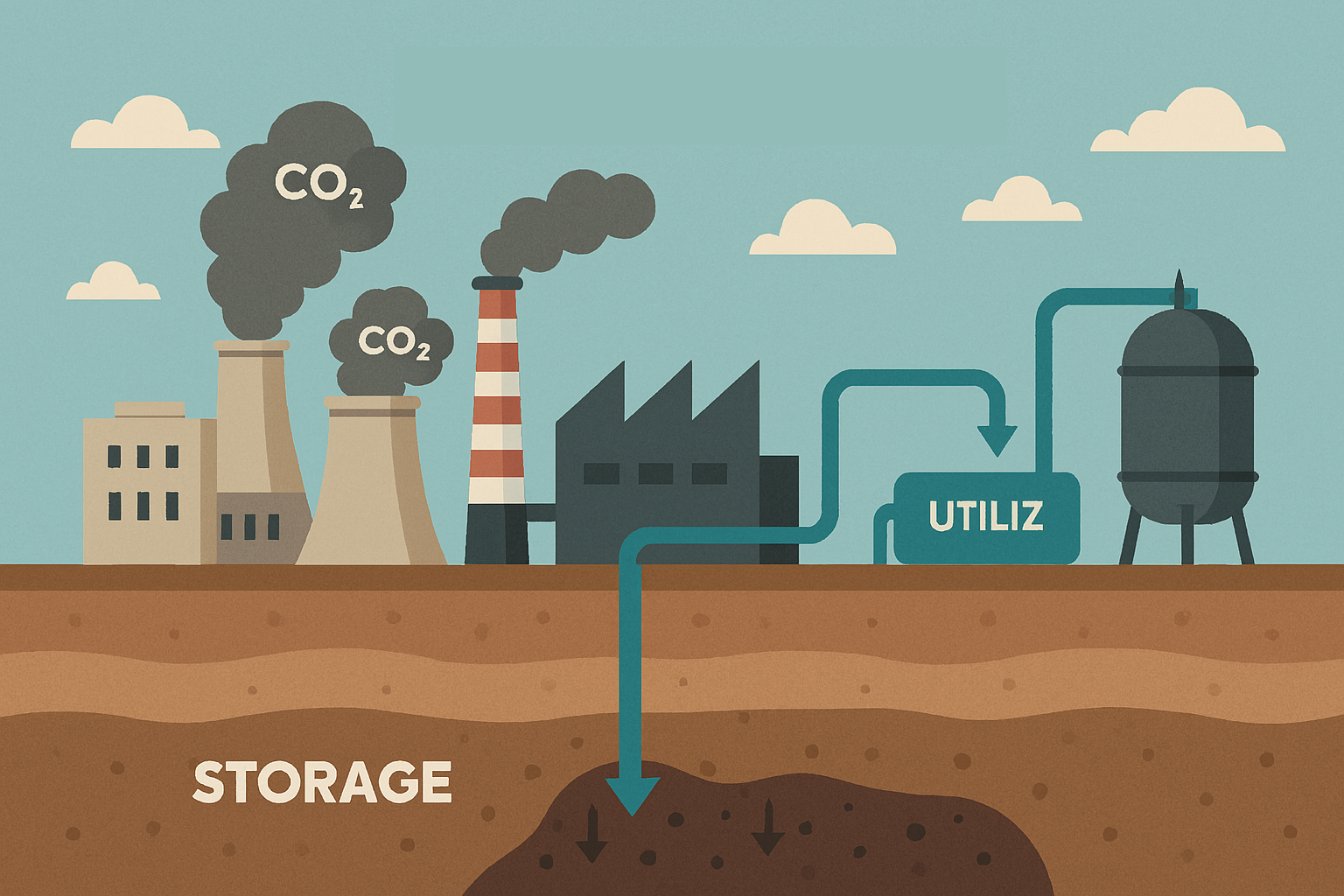
Decarbonization efforts in the industry have gained momentum, with Carbon Capture Storage (CCS), or Carbon Capture, Utilization, and Storage (CCUS) emerging as a key technology. CCS/CCUS involves capturing CO₂ from industrial processes or directly from the atmosphere, utilizing it for products such as synthetic fuels, or storing it permanently underground in geological formations.

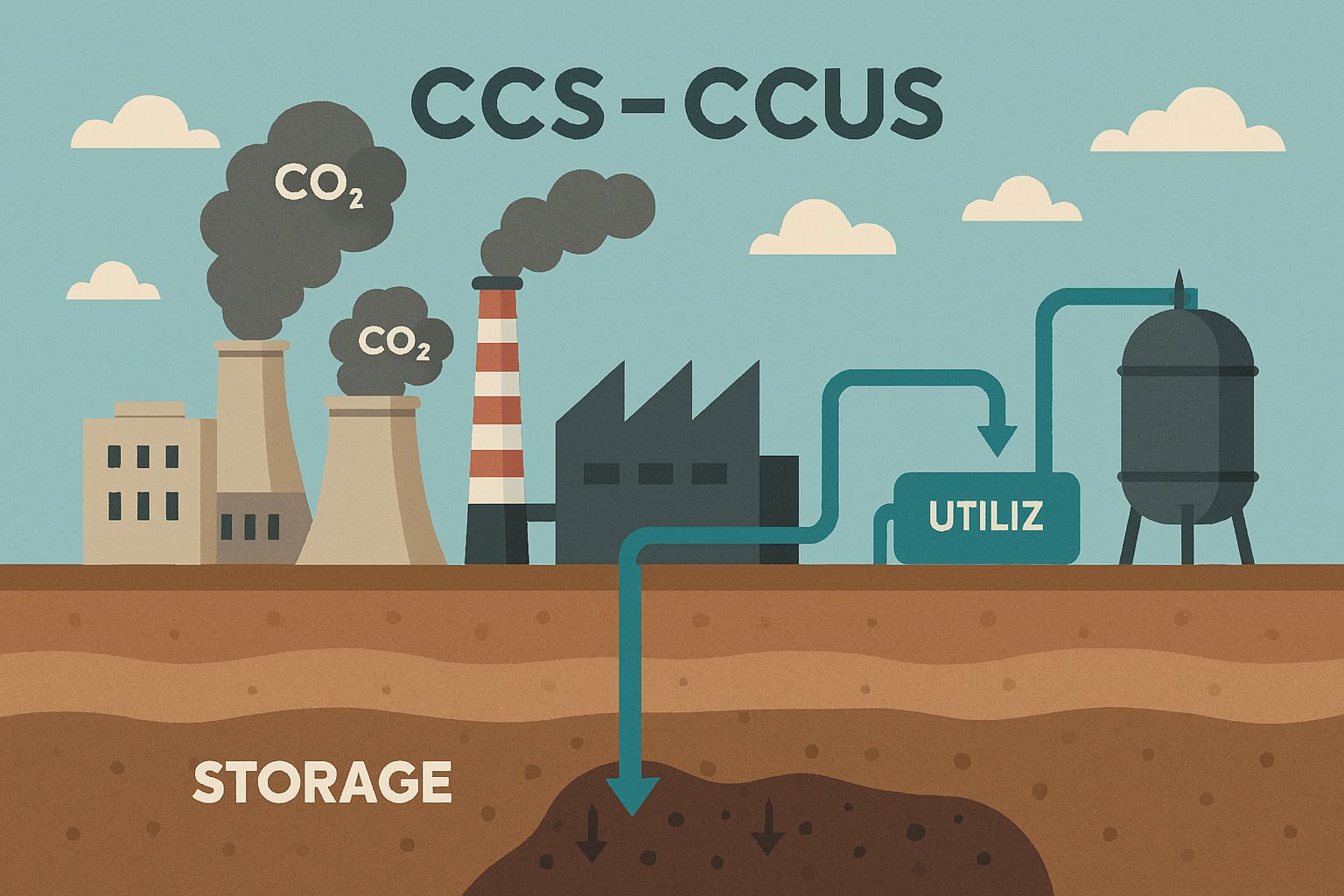
Currently, more than 40 large-scale CCS/CCUS facilities are active worldwide, capturing approximately 45 million metric tons of CO₂ annually, a figure that requires substantial growth to achieve decarbonization goals. The cost of CO₂ capture ranges from approximately $15 to $120 per metric ton, with additional costs for transportation and storage, often making such projects economically unfeasible without government incentives or carbon pricing mechanisms. CCS/CCUS technology represents one of our most promising tools for reducing greenhouse gas emissions while transitioning to a net zero-carbon economy, which will incentivize itself through efficiency and recycling of certain emissions that still contain energy.
Mission
- To encourage, develop, and disseminate innovative ideas on carbon dioxide removal in industry and community activities, including the development of areas with carbon sequestration, both natural and technological.
- To facilitate innovative dialogue on carbon dioxide removal efforts, as mentioned in point 1, including the transfer of knowledge/technology.
- To establish a commitment from all parties to the implementation of carbon dioxide removal efforts, as mentioned in points 1 and 2, including the formulation of sustainable policies.